
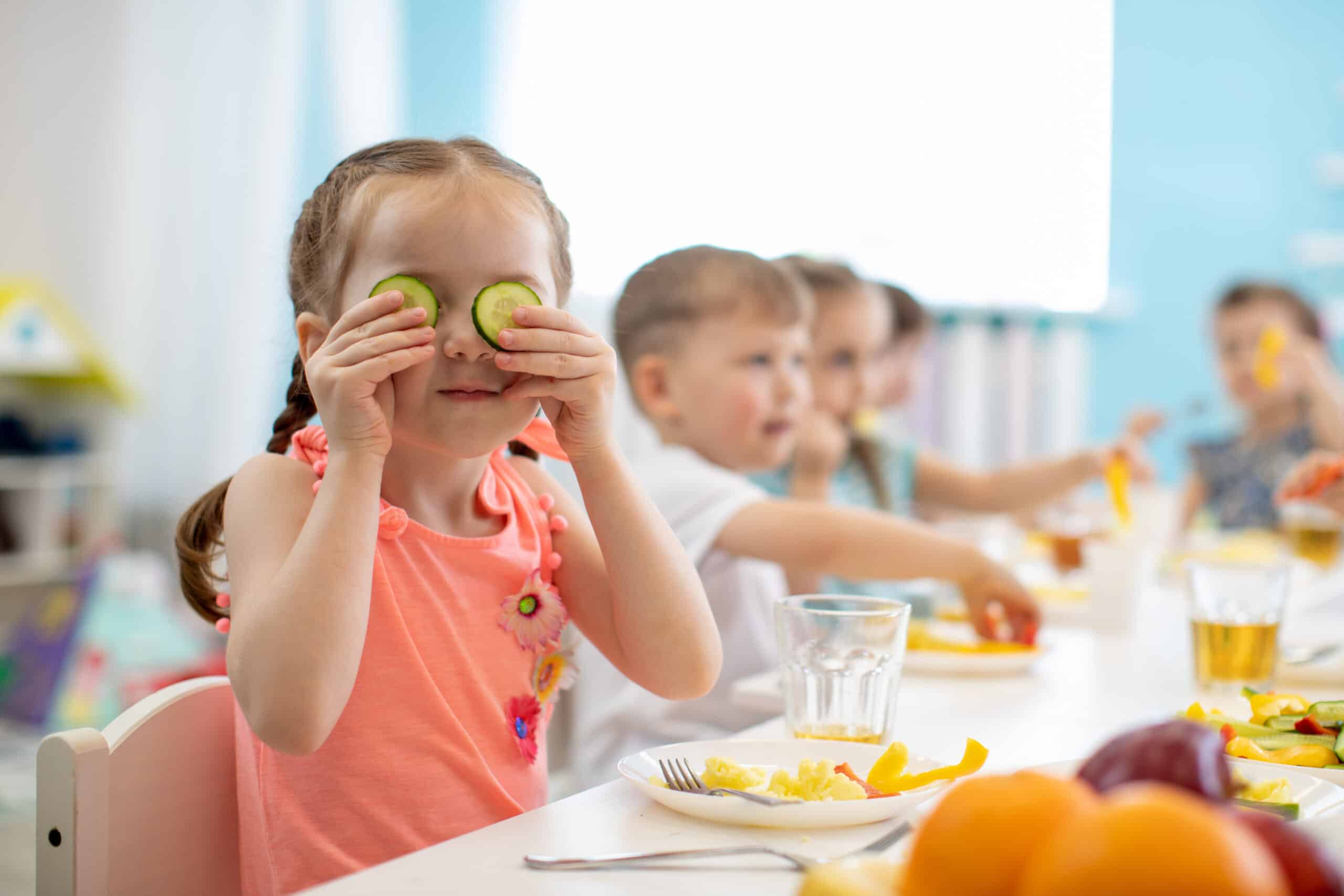
Assuring the health and well-being of children is among of the primary responsibilities of caregivers and parents. Children’s health concerns encompass physical, emotional, and psychological well-being, helping the youngsters develop into healthy and robust individuals. In everything from proper nutritional habits to routine medical checks, each component of the health system plays a vital part in shaping the future of a child.
Proper Nutrition for Growth
A balanced diet is crucial to a child’s growth and development. A healthy diet is one that includes minerals, vitamins, and macronutrients to build strong bones, enhance the brain’s function, and boost immunity. Parents should make sure they are offering nutrient-rich food items like fruits, vegetables, whole grains, and protein that is lean. Refraining from processed foods and sweet snacks can help prevent common health issues such as obesity and diabetes.
Importance of Hydration
Children should drink plenty of water to keep their energy levels high and to support bodily functions. Water is crucial for digestion, circulation, and overall health. Parents must encourage their children to drink more water than sugary drinks, as they could cause health problems over time.
Regular Medical Checkups and Vaccinations
Health screening is vital to detect any medical issues early that could be a cause for concern. Checkups for children help keep track of a child’s growth, development, and general health. Vaccinations play a vital part in preventing serious diseases like measles, influenza, and polio. Parents should follow the suggested immunization schedules to protect their children’s well-being.
Hygiene and Disease Prevention
Ensuring children are taught proper hygiene from an early age will help keep them healthy and free of infections. Regular hand washing, dental cleaning, and bathing are vital routines that help improve overall health. A healthy lifestyle reduces the risk of getting sick, like colds, fl,u and stomach illnesses.
Encouraging Handwashing Habits
Handwashing your hands with detergent and water is among the most basic yet efficient ways to stop the transmission of germs. Teachers and parents should be encouraging youngsters to wash their hands after meals, after going to the bathroom, and after playing outdoors.
Mental and Emotional Well-being
Mental health is as vital in the same way as health. The child’s mental health impacts their capacity to learn, socialize, and build resilience. Making sure that they have a loving and supportive atmosphere at home as well as in schools helps children feel safe and secure. The ability to communicate openly, emotionally validated, and strategies for managing stress are all able to significantly affect their psychological well-being.
Importance of Sleep for Children
A good night’s sleep is crucial to improving cognitive performance and emotional stability, as well as overall development. Children require varying amounts of sleep according to their age of their children, with pre-schoolers needing 10-13 hours of sleep each night, while school-aged children require 9-11 hours. A regular bedtime routine can enhance the quality of sleep and overall health.
Physical Activity and Exercise
Regular physical exercise is vital to maintain a healthy weight, build strong muscles, and enhance the health of your cardiovascular system. Sports, outdoor play, and physical exercises assist children in developing coordination, balance, and social abilities. Encouragement to exercise daily can help reduce the risk of developing obesity in childhood and related health issues.
Creating a Safe Environment
A secure and safe space at school and home is essential for the well-being of a child. The childproofing of homes, the security of areas for play, and informing children about the dangers they could face aid in preventing injuries and accidents. In addition, creating a positive environment where children feel respected and appreciated is a huge factor in their general health and happiness.
Institutions such as institutions like The Juniors Academy highlight the importance of holistic approaches to the health and well-being of children that integrate the areas of nutrition, mental health, and physical activity to encourage a healthy lifestyle for children and young people.
Conclusion
Health care for children is a broad method that incorporates proper nutrition, preventive medical treatment, sanitation, mental well-being, and physical exercise. By prioritizing these areas, parents and caregivers are able to assure a healthier and more promising future for their children. Making good health habits a priority at an early age can lay the stage to lifelong wellbeing and achievement.